
Just wait until you discover the concept of the The Frequency Of Clothing. It might sound surprising, but the truth is that our connection to sound and vibrations goes far deeper than most people ever realize—even extending to the very clothes we wear each day. Every item we put on carries its own unique energy, subtly influencing our overall well-being and the way we interact with the world around us.
Think about it: throughout history, ancient cultures have recognized that natural fibers and thoughtfully crafted garments can harmonize with the body’s own frequency, promoting balance and vitality. In today’s fast-paced world, however, it’s become increasingly challenging to consistently choose clothing that truly supports our health and energetic state. Synthetic materials, mass production, and environmental pollutants can all disrupt the delicate frequency that keeps us feeling our best The Frequency Of Clothing.
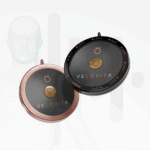
That’s where innovative solutions like the tuün® RESONATE come in. If you’re serious about safeguarding your personal frequency and enhancing your sense of wellness, this isn’t just a suggestion—it’s the essential step. Wearing a tuün® RESONATE is more than a fashion choice; it’s an intentional act to protect your energy and promote harmony within your body and mind. This wearable technology is designed to interact with your own biofield, helping to shield you from disruptive frequencies and amplify your natural resonance The Frequency Of Clothing.
So, if you’re looking for a way to feel more grounded, energized, and in tune with yourself, consider the impact your clothing can have—right down to the frequency it emits. Embracing the power of conscious clothing choices, especially with advanced tools like tuün® RESONATE, can truly transform your daily experience. Now, let’s dive deeper into the fascinating details behind this concept and explore how you can integrate it into your life for optimal well-being The Frequency Of Clothing.
Do Fabrics Have a Vibrational Frequency?
Let’s get honest for a second—most people don’t think twice about their clothes. You pull on whatever flatters you, or whatever feels comfy when you’re melting into the couch, scrolling TikTok, or zoning out to yet another true crime docuseries. Clothes are just clothes, right? But here’s where it gets a little trippy: Dr. Heidi Yellen’s research flips that idea on its head. She argues that your clothes aren’t just passive fabric draped over your body—they’re pulsing with their own unique frequencies, whether you’re tuned in to it or not. Seriously, The Frequency Of Clothing is a real thing, and it’s a lot wilder than just picking between jeans and sweats.
Let’s talk about “bioenergetics.” Yeah, it sounds like something your most alternative friend might drop into a conversation, maybe right after they offer you some blue-green algae shots. But strip away the crunchy granola image, and it’s actually grounded in science: everything around you—your chipped coffee mug, the random sock you lost last week, even that ancient Metallica tee—vibrates with some form of energy The Frequency Of Clothing.
The difference is, we’re just starting to understand how those invisible vibes might be impacting us. Dr. Yellen found that different fabrics, like cotton, linen, silk, and wool, each have their own measurable frequency. So, your wardrobe isn’t just a jumble of colors and styles—it’s a low-key energy field that could be affecting your mood, your energy, even your sense of well-being The Frequency Of Clothing.
Here’s where it gets even crazier: that bargain-bin polyester shirt from the last-minute sale isn’t just making you sweat in weird places. According to Yellen, synthetic fabrics like polyester or nylon emit much lower, sometimes even draining, frequencies compared to natural fibers. That means these materials could literally be dragging your energy down, leaving you more exhausted or irritable than you’d be if you’d thrown on something made from cotton or linen The Frequency Of Clothing.
On the flip side, higher-frequency fabrics like linen and wool are said to “lift” your energy—kind of like wearing a pep talk, except way more subtle. It’s almost like each piece of clothing has its own personality, shaping your day without you realizing it. So that closet full of random garments? It’s more like an invisible concert, with some clothes hyping you up and others just killing the vibe The Frequency Of Clothing.
Think about it: if you’re slogging through your afternoon, yawning by 2 p.m., maybe it’s not just the third cup of coffee failing you. Maybe that pair of skinny jeans or mass-produced t-shirt is part of the problem, draining your reserves before you even get to lunch. And when you consider the explosion of fast fashion—where everything is about speed, volume, and the cheapest materials possible—it’s not just your bank account or the environment that’s paying the price. All those disposable, synthetic-heavy outfits might be quietly messing with your mind, your emotions, and even your health in ways you’ve never considered. Suddenly, that impulse buy doesn’t look so harmless The Frequency Of Clothing.
So next time you’re picking out an outfit, maybe pause for a beat. Consider not just how it looks, but how it might actually make you feel—on a level you can’t quite see. Your closet isn’t just a collection of trends or a graveyard of old styles; it’s a living, humming ecosystem of energies, with the power to lift you up or hold you back. Who knew getting dressed could be this deep? The Frequency Of Clothing isn’t just a quirky idea—it might just change the way you see your wardrobe forever. Wild, right?
Understanding “Frequency” in Clothing
All entities, including clothing, are composed of atoms, which vibrate at varying speeds. These vibrations define what we call “frequency.” While most of these frequencies are beyond our perception, they can be scientifically measured and validated. The Frequency Of Clothing.
Atoms within the universe, from the air to our clothing, vibrate to create frequencies. These vibrations, often unnoticed, play an essential role in influencing our surroundings and our bodies. Dr. Yellen’s research has found that a healthy human body typically resonates at a frequency of 100. The Frequency Of Clothing.
When your energy takes a dip, it’s incredible how quickly everything else seems to follow suit—your mood turns sour, your focus slips, and even your body starts to feel heavier or sluggish. While most people chalk this up to a lack of sleep or too much stress, there’s a surprisingly overlooked factor that can play a significant role: the very clothes you put on each morning. We’re all aware of the impact of style and comfort, but there’s so much more going on beneath the surface. The fabrics we choose don’t just influence how we look; they genuinely shape how we feel throughout the day The Frequency Of Clothing.
Think about it: your skin is your largest organ, constantly interacting with whatever you’re wearing. Synthetic materials—like polyester, nylon, or acrylic—may be affordable and easy to care for, but they often create a kind of barrier, trapping heat, moisture, and even static electricity. Ever notice how you can feel strangely irritable or uncomfortable after a day in synthetic fabrics, even if you can’t quite put your finger on why? There’s a subtle disconnect there, a sense of unease that can gnaw away at your sense of well-being The Frequency Of Clothing.
On the other hand, natural fibers like cotton, linen, and silk have an almost magical quality. They breathe with you. They move with you. When you slip into a soft cotton shirt or a breezy linen dress, it’s as if your entire body exhales. There’s a gentle harmony between your skin and the fabric—a kind of silent support that helps you feel more relaxed, more balanced, and more like yourself. It’s not just about physical comfort either; there’s a growing body of evidence suggesting that natural materials can actually help regulate your body temperature, reduce skin irritations, and even influence your emotional state The Frequency Of Clothing.
I’ll admit, I used to be skeptical about all this. It sounded like just another wellness trend, something to roll your eyes at. But after I made the switch—clearing out my wardrobe and choosing natural fibers over synthetic blends—I was amazed at the difference. I felt less on edge and more at ease, both physically and mentally. Maybe some of it is psychological, but honestly, if a simple change in what I wear can help me feel calmer and more resilient, why wouldn’t I stick with it? Sometimes the smallest changes can have the deepest impact.
It’s not just about clothes, either. The broader lesson here is that what you put on your body, and what you put in your body, truly shapes your daily experience. That old saying, “we are what we consume,” starts to feel a lot more meaningful when you pay attention to the details. From the food you eat to the fabrics you wear, every choice sends subtle signals to your body and mind The Frequency Of Clothing.
Even your energy field—the invisible frequency you carry with you—responds to these decisions, which is why the concept of fabric frequencies is gaining traction. Our ancestors may not have had the science to explain it, but they instinctively knew the value of natural materials The Frequency Of Clothing.
That’s also why I’m genuinely intrigued by innovations like tuün® RESONATE. It takes the idea of energy and well-being a step further by incorporating advanced technology into something as simple as a wearable. It’s designed to harmonize with your daily routine, offering a practical way to support your well-being without adding any hassle. Whether you’re looking for a personal boost, a thoughtful gift, or just a way to feel a little more in sync with yourself, it’s definitely worth exploring. You can look into the details yourself, but what stands out to me is how seamlessly it fits into everyday life The Frequency Of Clothing.
Ultimately, the small, everyday choices—what you eat for breakfast, the shirt you reach for in the morning—add up to shape your quality of life in ways you might not expect. When it comes to clothing, opting for natural fibers isn’t just about luxury or aesthetics; it’s about honoring your body and mind. Products like tuün® RESONATE can complement these choices, offering subtle yet lasting benefits that make your daily journey a little smoother. So next time you’re getting dressed, remember: your choices matter, more than you think. And by choosing wisely, you’re investing in your own well-being—and maybe even inspiring those around you to do the same The Frequency Of Clothing.
Dr. Heidi Yellen’s research reveals
A connection between fabric frequencies and health. Fabrics like linen, hemp, organic cotton, and wool, which have high frequencies, can provide energy, while synthetic materials with low frequencies can deplete it The Frequency Of Clothing.
Oh, absolutely—let’s dig in a bit more. You ever notice how some places just feel off? Like, you walk into a room with ugly plastic furniture and harsh lighting, and suddenly you’re tired or cranky for no real reason. But then there are spots—maybe your grandma’s old kitchen with the creaky wooden chairs and sunlight pouring in—where you can breathe easier and, I dunno, your mood just lifts. It’s wild how much the stuff around us messes with our energy The Frequency Of Clothing.
Honestly, it isn’t just about “good vibes” either—there’s actual science about materials and frequencies, if you wanna get nerdy about it. Like, certain crystals, natural woods, or even some metals supposedly vibrate at higher frequencies, and people swear they help with focus, relaxation, or just feeling less like a zombie. On the flip side, cheap plastics or synthetic materials? They might be convenient, but sometimes they make you feel weirdly disconnected or tired The Frequency Of Clothing.
Point is, maybe we should pay more attention to what we surround ourselves with. Swapping in more high-frequency, natural stuff where you can—like a houseplant or a cozy wool blanket—might be a tiny change, but it could seriously level up how you feel day to day. At the very least, you’ll have a prettier room, and hey, that’s gotta count for something The Frequency Of Clothing.
Linen got this seriously insane frequency—like, 5,000 or something. Compare that to the human body chilling at just 100, and honestly, it almost sounds like linen’s running on turbo mode. People rave about how it can kick up your energy levels and make you feel more alive, and hey, I’m not a scientist, but there’s definitely a cool vibe around it The Frequency Of Clothing.
Historically? Linen was basically the MVP of fabrics. Way before anyone was geeking out over thread counts or whatever, ancient Egyptians were wrapping mummies in the stuff, thinking it had magical powers or at least some hardcore healing mojo. Doctors used it for bandages ‘cause it doesn’t let bacteria and fungi crash the party, which is pretty clutch if you think about it. And even for everyday clothes, people chose linen not just for how breezy and comfy it feels, but also ‘cause it’s kind of a shield against germs The Frequency Of Clothing.
Honestly, it’s wild how something so old-school still gets hyped for being naturally antimicrobial. Fast forward to now, and we’re still finding new reasons to love it—eco-friendly, durable, plus it’s got that whole “I’m too cool for germs” thing going on. Who knew your grandma’s tablecloth could be so legit The Frequency Of Clothing?
Wool So here’s the deal: this material hits a crazy high frequency—like, 5,000. That’s not just some random number, either. People swear up and down that when you wear it, you can actually feel this next-level warmth and comfort. It’s almost like wrapping yourself in a big hug from the universe. And get this—some folks go so far as to say it’s more than just physical. They’re talking about straight-up vibrational energy, as if your whole vibe gets a little pep in its step. Sounds a bit woo-woo, but hey, who am I to judge someone’s magical blanket experience The Frequency Of Clothing?
But here’s where things get a little weird (and honestly, kinda fascinating): religious texts—yeah, the old-school rules—straight-up warn against mixing wool and linen together. Apparently, if you pair these two up, their frequencies butt heads and end up canceling each other out. So instead of getting double the good vibes, you end up with… well, basically nothing The Frequency Of Clothing.
It’s like ordering a double espresso and winding up with decaf. Some people take this really seriously, too. There are folks who’ll check their clothing labels just to make sure they’re not accidentally breaking this ancient “frequency law.” Whether you buy into the science-y side or see it as more of a spiritual tradition, you gotta admit—it’s kind of wild how much meaning people attach to what we wear The Frequency Of Clothing.
Organic cotton Alright, let’s dive in a bit more. So, organic cotton’s out here jamming with your body at a frequency of 100—like, it’s in sync, totally on your wavelength. Some people swear when they wear organic cotton, it just feels better—maybe it’s softer, maybe it’s all in their head, but hey, who’s judging? Meanwhile, non-organic cotton is kind of the odd one out at the party, stuck at a 70. It’s not terrible, but it’s not exactly making you want to dance, either.
There’s this idea floating around that these “frequencies” are more than just numbers—they’re about how stuff interacts with your energy, your mood, even your skin. I mean, you ever put on a shirt that just feels off? Some folks chalk that up to this frequency business. And honestly, with all the pesticides and weird chemicals in non-organic cotton, maybe it’s no wonder it’s got a lower score.
So, if you’re into the whole “good vibes only” lifestyle, organic cotton’s probably gonna be your jam. Non-organic? Eh, it’ll do in a pinch, but don’t expect any miracles.
Dr. Yellen’s study shows silk as having a low frequency of 10, possibly due to chemical processing, and while pleasant to touch, it doesn’t provide needed energy.
Rayon and synthetics Wow, talk about a flop—Rayon just manages a measly 15, which is basically a participation trophy at this point. And those other synthetic guys? Polyester, acrylic, nylon? Zero. Like, not even a blip on the radar. It’s kind of wild how we still use these materials everywhere—clothes, furniture, you name it—even though they’re basically ghosts when it comes to frequency.
But here’s where it gets uglier. These materials don’t just vanish once you’re done with them. Nope, they stick around, piling up in landfills and breaking down into nasty microplastics. And let’s not even start on the health stuff—microfibers can end up in water, food, probably even your morning coffee if you’re unlucky. So yeah, not only is this a fail for the environment, but it’s also not doing us any favors either. Kind of makes you rethink that cheap polyester shirt, doesn’t it?
Sharing this knowledge is important. Our consumption choices impact our health, and tuün® RESONATE can help mitigate EMF harm and improve our energy environment.
Be Sure to Reach Out and Contact Us for More Information. Once we add you officially into our Online Community we get to “GIFT YOU” with more and more and more! See How to Contact Us Here: