
Superfoods Ever thought about giving both your mind and body a real upgrade? If so, you’re definitely on the right track. Superfoods might sound like just another buzzword tossed around by influencers, but there’s real science behind their benefits. Incorporating them into your meals can genuinely make a difference in how you feel, think, and even look.
Let’s start with berries, the tiny powerhouses that deserve more than just a spot in your breakfast bowl or smoothie. Berries like blueberries, strawberries, and raspberries aren’t just visually appealing—they’re loaded with antioxidants. These compounds help to neutralize free radicals, which are unstable molecules that can cause damage to your cells over time. That means berries support not only a sharper memory and quicker thinking, but also healthier, more radiant skin. It’s not just about avoiding those “raisin vibes”—it’s about giving your body the tools it needs to stay vibrant and youthful Superfoods.
Then there’s salmon, a staple for anyone serious about brain and heart health. This fish is packed with omega-3 fatty acids, which are essential for brain function. Omega-3s can improve everything from memory to mood, and even help lower your risk of heart disease. Whether you enjoy it grilled, baked, or in sushi, salmon is a versatile protein that fuels your body and mind. Plus, it’s rich in vitamin D and protein—nutrients that support strong bones and muscles Superfoods.
And let’s not overlook dark chocolate, the ultimate treat that does more than just satisfy your sweet tooth. High-quality dark chocolate contains flavonoids, which have been shown to improve blood flow to the brain, lift your mood, and even sharpen your memory. It’s a heart-friendly snack too, supporting healthy cholesterol levels and blood pressure. The key is moderation—a couple of squares are all you need to reap the benefits while savoring the taste Superfoods.
Incorporating these superfoods into your routine is surprisingly simple. Start your morning by sprinkling berries over yogurt or oatmeal for a burst of flavor and nutrients. Make salmon the centerpiece of a weeknight dinner, paired with roasted veggies or a fresh salad. And when you’re craving something sweet, reach for a small piece of dark chocolate instead of a sugary snack. Over time, you’ll likely notice improvements not just in your physical energy, but also in your mental clarity, focus, and overall mood Superfoods.
While adding these foods to your diet isn’t exactly a miracle cure, the cumulative benefits come pretty close. They work quietly in the background to support your body’s natural processes, helping you feel your best every day. Even if you’re skeptical, the worst that can happen is you’ll get to enjoy some delicious meals and snacks. That’s a win in anyone’s book. So go ahead—give it a try and see how much better you can feel, inside and out Superfoods.
What is a superfood?
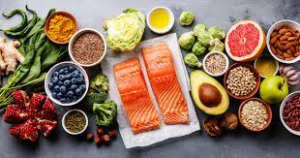
Superfoods are treated like the rockstars of the grocery aisle these days. One minute, kale is the headline act, showing up in salads, chips, and smoothies everywhere you look. Blink, and suddenly it’s all about acai bowls dominating your Instagram, or chia seeds making a surprise appearance in everyone’s breakfast spread. It’s almost like there’s a revolving door of trendy foods, and just when you think you’ve caught up, another one steals the spotlight. It’s no wonder people feel overwhelmed by the hype—each new “it” food comes with promises of better health, more energy, and even a sharper mind Superfoods.
Despite the buzz, each superfood really brings something unique to the table. Take blueberries, for example. These little berries are loaded with antioxidants, which help protect your brain and cells from everyday damage—almost like having a tiny army of defenders working for you. Quinoa might come off as a bit posh, but at its core, it’s a versatile, protein-rich grain that can easily step in for rice or pasta, offering more nutrients and keeping you fuller for longer Superfoods.
Then there’s turmeric and ginger—sure, they spice up your meals, but they’re also famous for their anti-inflammatory effects. People have used them in traditional medicine for centuries, and now science is catching up, confirming their benefits for things like joint health and digestion Superfoods.
It’s easy to see why people want to load up on these foods. With so many of us looking to fend off colds, strengthen our immune systems, and keep our hearts healthy, the idea of a natural “booster” is appealing. Some studies suggest that superfoods can play a role in lowering the risk of chronic diseases, and certain compounds in foods like berries, leafy greens, or nuts have even been studied for their potential to fight cancer cells Superfoods.
Of course, while these findings are exciting, they’re not a guarantee—no single food is a magic shield. Still, it doesn’t hurt to add a handful of blueberries to your smoothie or sprinkle some flaxseeds on your salad. Every little bit can help in the bigger picture of health Superfoods.
Mental wellness is another growing focus. In today’s fast-paced world, people are searching for foods that might help them stay sharp, manage stress, or even lift their mood. Omega-3 fatty acids, found in foods like walnuts and salmon, are often praised for supporting brain health and possibly easing symptoms of depression. There’s real science behind that, too—omega-3s are essential for brain cell function and may help reduce inflammation linked to mental health issues. So, when you reach for that piece of salmon, you’re not just treating your taste buds but potentially giving your brain a boost as well Superfoods.
Here’s the real deal: there isn’t a single miracle food that’s going to transform your health overnight or make you immune to every bug that’s going around. The key isn’t in searching for secret ingredients or the latest superfood trend, but in finding a sustainable balance and embracing variety in your meals Superfoods.
When you fill your plate with a broad range of foods, you’re giving your body access to all the different vitamins, minerals, and nutrients it needs to work at its best. It can be tempting to jump on the bandwagon for whatever’s trending—whether that’s goji berries, spirulina, or avocados—but at the end of the day, it’s the overall diversity in your diet that counts the most Superfoods.
Think of your meals as an opportunity to create a colorful palette: the more hues and flavors you include, the more likely you are to get the full spectrum of nutrients. It’s great to experiment and introduce yourself to new foods, but it’s just as important to remember the fundamentals that have stood the test of time. There’s wisdom in those old-fashioned habits—loading up on a variety of vegetables, minimizing heavily processed snacks, and choosing whole foods as often as possible. These basics form the foundation of good nutrition Superfoods.
Beth Czerwony, a registered dietitian at the Cleveland Clinic, sums it up well: “Superfoods help boost your immune system and lower your risk of getting sick.” But let’s look beyond the hype—it’s not enough to just sprinkle some trendy ingredient onto your salad and expect magic. True health comes from creating long-term habits, consistently making smart choices, and enjoying a wide array of foods. It’s about finding balance, listening to your body, and not being afraid to try something new while still valuing the tried-and-true staples.
Moreover, good nutrition is about more than just physical health. A balanced, varied diet supports your mood, energy, and overall well-being. When you nourish your body thoughtfully, you’re setting yourself up to feel better not only today, but for years to come. It’s this steady, mindful approach—rather than quick fixes or miracle foods—that really makes a lasting impact on your health.
Superfoods: Berries can ease depression
Berries, man. People love ‘em, and for good reason—they’re basically little edible superheroes. We’re talking heart perks, brain boosts, maybe even a mood lift if you’re feeling extra Monday-ish. The classics? Raspberries, blueberries (the real MVPs), strawberries, blackberries, and if you’re lucky, huckleberries—because who doesn’t want to sound like a character from an old-timey novel while snacking? superfoods
Eric Rimm, a renowned nutrition expert from Harvard University, emphasizes the impressive health benefits that something as simple as eating berries can offer. He told The Washington Post that if your goal is to increase your lifespan and improve overall well-being, integrating berries into your daily routine might be one of the easiest steps you can take. Just one cup a day is all it takes to start reaping the rewards.
This advice isn’t just another passing trend—it’s grounded in research and comes from a reputable source. Berries, such as blueberries, strawberries, and raspberries, are packed with antioxidants, fiber, and vitamins that support heart health, protect against chronic diseases, and help maintain cognitive function as you age. Studies have linked regular berry consumption to lower rates of heart attacks and improved memory, making them a smart addition to any diet.
Furthermore, berries are versatile and can be enjoyed in a variety of ways, whether added to yogurt, blended into smoothies, or simply eaten on their own as a snack. With such a simple recommendation from a leading Harvard expert, it’s hard to find a reason not to fit a handful of these nutrient-rich fruits into your daily routine. After all, when it comes to advice on healthy eating, few are better qualified than someone with Rimm’s credentials. So, if you’re looking for an effortless, tasty way to boost your health and longevity, making berries a daily habit might be one of the best choices you can make.
Here’s the wild part: it’s not just about vitamins and antioxidants (though, yeah, they’re loaded). Turns out, making a habit of eating strawberries and blueberries can seriously slash your risk of heart attacks. It isn’t just some crunchy, tree-hugger rumor—actual scientific studies back it up. Basically, your arteries love berries as much as your taste buds do. And let’s be real, they’re way more interesting than another boring salad. superfoods
But, hang on, it gets even cooler. There’s this 2020 study where kids ate wild blueberry supplements daily for a month. Not only did they survive, but they actually reported feeling less depressed. These aren’t just “I feel kinda better” vibes, either—researchers credit the high flavonoid content in blueberries for the mood boost. Flavonoids are like nature’s little brain-huggers, apparently. It makes you wonder if we should start handing out berries instead of stress balls in schools and offices.
And don’t even get me started on the whole “snackability” factor. Berries are portable, require zero prep (unless you’re into washing them, which, okay, fine), and taste like actual happiness. Toss ‘em in yogurt, cereal, pancakes—heck, just eat ‘em by the handful. Plus, they’re weirdly satisfying to squish, if you’re into that sort of thing. superfoods
Look, there’s a reason nearly every “superfood” list on the internet (and your wellness-obsessed aunt’s fridge) features berries. They’re tasty, versatile, and apparently, they might just help you live longer and feel a little brighter. So, don’t be shy—pile ‘em on. Your heart and your mood might just thank you.
Nuts are heart-healthy
Alright, let’s get real for a second—nuts are the ultimate snack upgrade, and honestly, it blows my mind that people still think they’re “bad” for you just because they’ve got fat. Like, come on, it’s 2024. Haven’t we moved past the whole “fat is evil” phase yet? The type of fat in nuts is mostly the good kind, the stuff your heart actually wants—think of it as nature’s own version of cholesterol-lowering magic. superfoods
You know what’s wild? People have been eating nuts forever—ancient Greeks, Persians, probably some caveman who found a walnut and thought, “Hey, free lunch!” And now, after all these centuries, science is finally catching up to what our ancestors probably already knew: nuts are killer for your health. We’re talking about lowering your risk for heart disease, stroke, and even helping with stuff like blood pressure and inflammation. That inflammation bit? Yeah, it’s not just a buzzword—chronic inflammation is like gasoline on the fire for all sorts of diseases, so anything that helps cool that down (hello, nuts!) is a win.
But the good stuff doesn’t stop with heart health. You’re getting a whole buffet of nutrients in every handful—fiber to keep your gut happy (no more awkward tummy rumbles in quiet rooms), protein for the muscles (and let’s be honest, who doesn’t want to feel at least a little buff?), plus a roster of minerals and vitamins that reads like the ingredient list for a superhero serum. Vitamin E, for example, is a legit antioxidant, B vitamins keep your energy up, magnesium chills out your nerves, and selenium? Well, that’s just flexing at this point. superfoods
And, okay, I get it—nuts aren’t exactly cheap, especially if you wander into the fancy aisle for those Macadamia nuts. But here’s the thing: you don’t need to eat a truckload. A small handful a day can make a difference. Toss them on oatmeal, salad, yogurt, or just eat ‘em straight out of the bag when you’re running late (again).
So, next time someone gives you the side-eye for eating nuts, just hit them with the facts. They’re not just tasty—they’re basically tiny, crunchy life insurance. And if anyone still says otherwise? I dunno, maybe offer them a peanut. Or don’t. More for you.
Cruciferous vegetables have anti-cancer properties
Cruciferous greens are known for being nutrient-dense and containing anti-cancer homes. they’re additionally excessive in fiber and nutrition C.
These greens are colorful, flavorful, and diverse. a number of the maximum famous cruciferous vegetables consist of arugula, broccoli, bok choy, cabbage, radish, cauliflower, Brussels sprouts, and kale.
“One precise group of veggies referred to as cruciferous incorporates a potent phytochemical known as sulforaphane,” reports the Mayo Health Center. “Research surrounding this phytochemical has shown it to be an effective antioxidant, which aids in the prevention and treatment of numerous kinds of most cancers.”
Several research recommend cruciferous vegetables might also assist in combating most cancers, in line with the Countrywide Most Cancers Institute. research in animals has found several methods the properties in cruciferous veggies fight cancer, including:
- Defensive cells from DNA damage.
- Antiviral and antibacterial.
- Supporting inactivating cancer agents.
Superfoods: Salmon is good for the brain
Often ingesting fatty, oily fish like salmon can increase intellectual health, improve sleep, and lower the chance of coronary heart ailment, as reported by the Deseret News. Salmon is an awesome supply of protein, selenium, phosphorus, B vitamins, and omega-three fatty acids.
The American Coronary Heart Association recommends eating servings of fatty fish consistently with week, especially because of the high omega-three fatty acid content, which is right for cardiovascular health.
“Salmon incorporates omega-3 fatty acids — a form of fat that makes your blood much less probable to form clots which could motive heart assaults,” reviews the Mayo Health Center. “Omega-3s can also guard against irregular heartbeats that can cause unexpected cardiac dying, and they help decrease triglyceride levels, decrease the increase of artery-clogging plaques, and barely decrease blood stress.”
The omega-3 fatty acids discovered in salmon are used by the frame to construct nerve and brain cells, research shows. The journal of the American Clinical Association posted an examination that shows eating fish as a minimum as soon as according week is related to a diminished hazard of Alzheimer’s ailment.
Omega-three fatty acids also are useful for intellectual fitness. A six-month examination determined that guys who ate Atlantic salmon three instances in line with the week mentioned decreased signs and symptoms of despair and tension as compared to guys who ate bird, red meat, and pork.
We are Available for Contact Regarding This (or anything on this Community Information System) See How by CLICKING HERE to Contact Us.